



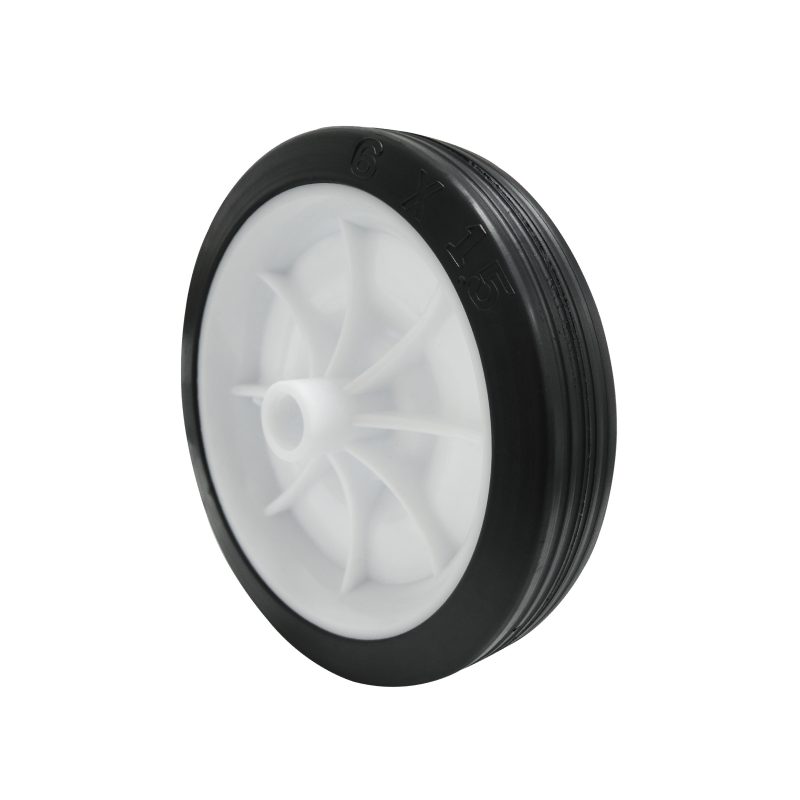
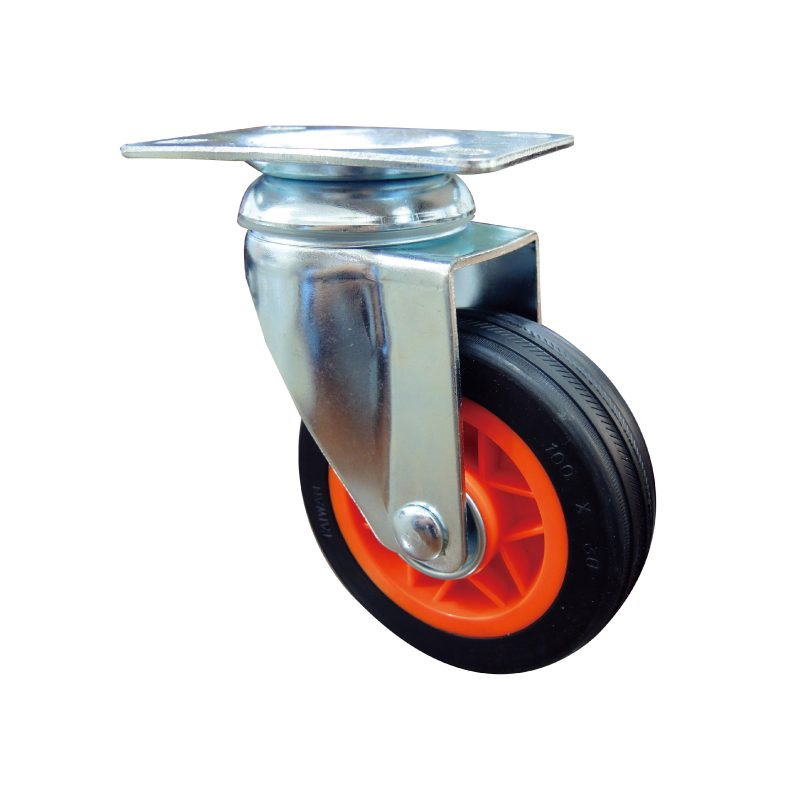
橡膠輪
0
年製輪
開發超過
0
種輪子
服務超過
Using an online dictionary and translator can be an underrated way to improve everyday language skills. The Collins Translator offers clear definitions, contextual examples, and quick translations that help you notice patterns in sentence structure. For focused study, explore the dedicated tools for punctuation, syntax, and agreement; the searchable entries and bilingual examples make it easy to compare forms and spot common mistakes. For reference on tense, word order, or usage, try the concise guides and examples available through the site and consult the interactive entries on grammar as you practice.
Using an online translator effectively means paying attention to usage and nuance, not just literal words. For learners and professionals alike, seeing how a phrase behaves in sentences helps avoid awkward or incorrect choices. Where possible, consult examples, idioms and regional notes so translations feel natural and accurate, especially when dealing with technical or colloquial material.
The Collins online translator is a convenient companion for learners who want quick access to translations, definitions, and usage examples. Its clear interface helps you check forms, see synonyms, and compare contexts so that new words stick. By practicing with sentences and listening to pronunciations, you can strengthen recall and apply terms more confidently in writing and speech. For focused study, use the built-in search and example sentences to build targeted vocabulary lists and note subtle differences in meaning.
Regularly revisiting entries and testing yourself on collocations and phrasal verbs turns passive recognition into active mastery. Combine lookups with reading and speaking tasks, and treat the translator as a bridge between encountering unfamiliar items and making them part of your productive repertoire.
One useful habit is to check how a term appears in multiple contexts — the same word can mean different things in legal, medical or everyday speech. A reliable resource that includes examples and usage guidance can turn a one-word match into a confident choice; explore context to compare alternatives and refine your translations. Regular comparison builds confidence and speed for real-world use.
Pair translations with writing drills: translate a short paragraph, then rewrite it in the target language paying attention to formality and idioms. Read aloud to check rhythm and natural phrasing, and use the examples to build a small personal phrasebook. Regular, attentive practice with reference tools helps turn isolated answers into lasting skills.
0
個客戶
專攻
1~12
吋輪子
FEATURE PRODUCT
主力產品
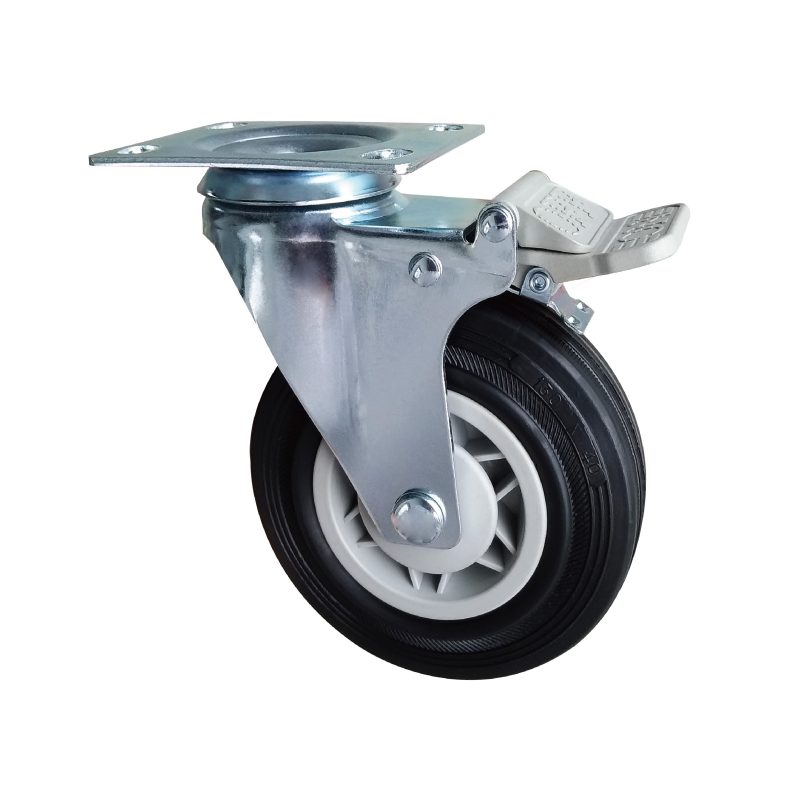
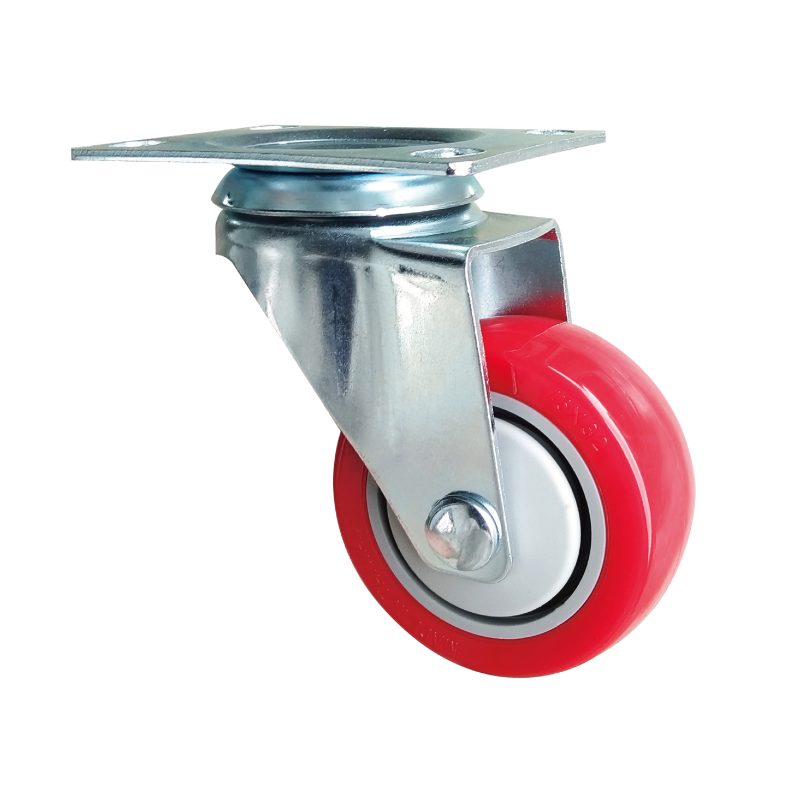
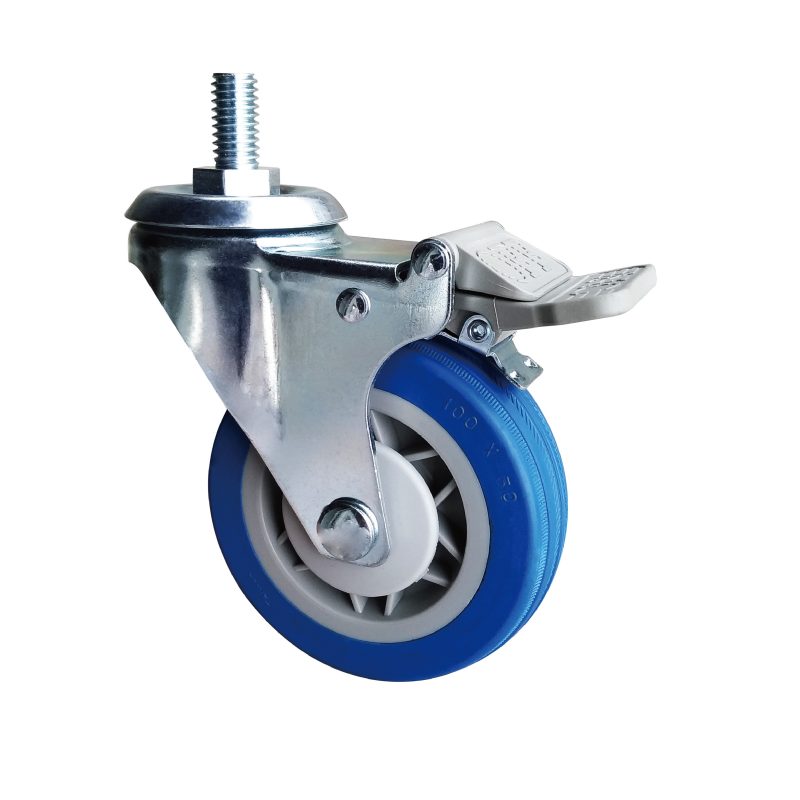
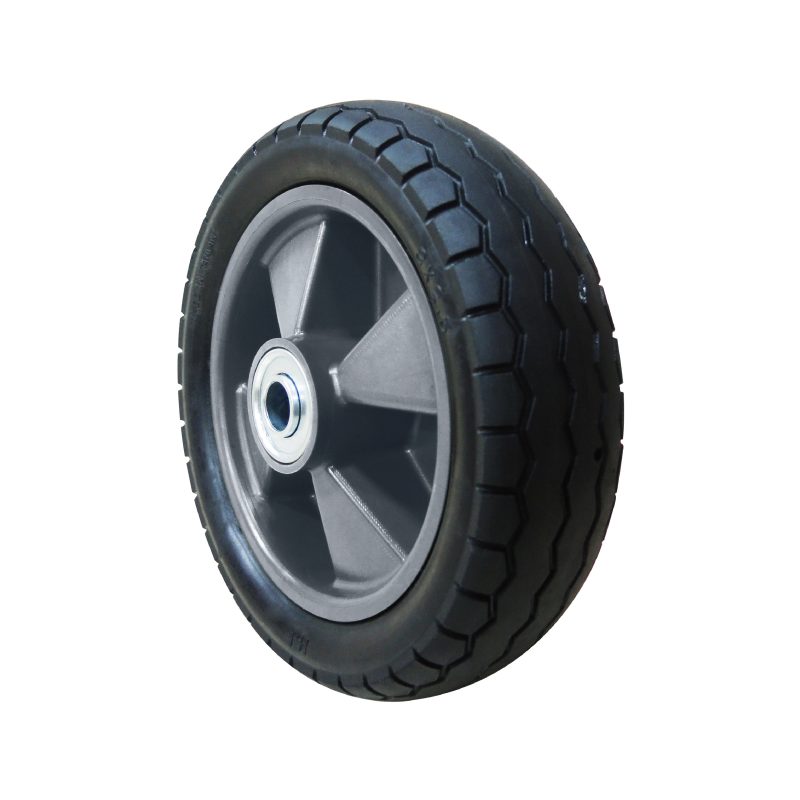
我們是穩紮穩打的製造商
從產品創造到製作銷售,
不假於他人之手,
穩定求實只為提升產品競爭力。
擁有物美價廉的產品
自動化的機械設備及生產工序,
與精細的品質管制,
締造實用完美的產品。
專業精進竿頭一步
40年爐火純青的經驗,
不就此滿足,
在日新月異的時代,
不畏市場多變挑戰。
讓我們合作吧!